

5 Techniques to Protect Yourself from Skin Cancer

Melanoma is highly dangerous and can be deadly. When it comes to this skin cancer, Little Rock’s Dermatology Group of Arkansas explains that the disease is also one of the most preventable types.
A primary risk factor for cancers of the skin is exposure to the sun’s rays. While a few minutes of sunshine each day may be good for your health, too much unprotected exposure to ultraviolet radiation can lead to a host of unwanted changes, including leathery and rough patches, wrinkles, blotchy hyperpigmentation, and—yes—skin cancer.
Wearing sunscreen is an important part of shielding your skin from harm, but you also need to take other steps to protect yourself:
1. Choose the Right Type of Sunscreen
The best sunscreen for a person depends on the person. If you’re shopping for yourself, you’ll need one that suits your skin type (dry, oily, sensitive, and so on). Generally, experts recommend using a product that is broad-spectrum, meaning it offers protection against both UVA and UVB rays. It should also have an SPF (sun protection factor, which is a measurement of how effectively the sunscreen will protect our skin from UVB rays) of 30 or higher and be water-resistant.
2. Avoid Very Intense, Sporadic Sun Exposure
We get some cumulative exposure to sunlight each day regularly while running errands or during other activities. Cumulative exposure is damaging to the skin, but heavy, intermittent exposure to sunlight—such as spending hours on the beach and ending up with a bad sunburn during an annual vacation—may increase the risk of the most lethal type of skin cancer, melanoma.
3. Cover Up with Clothing and Accessories
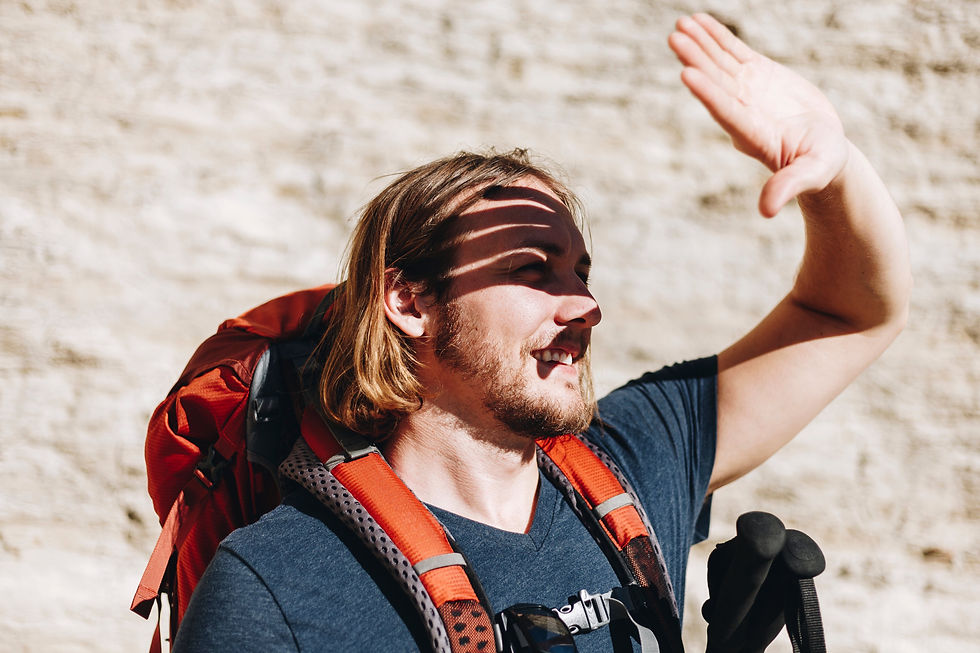
Don’t stop at wearing sunscreen. Your skin also needs the added protection that comes from clothing, along with a hat and sunglasses to protect your face. Choose long-sleeved shirts and pants that conceal as much of the skin as possible and are made with densely woven fabric such as denim, canvas, wool, or synthetic fibers. It’s also better to choose loose-fitting clothes, dark or bright colors, and pieces with fabrics that reflect radiation.
Many skin cancers form on the head and neck. Tightly woven hats with a brim of at least 3 inches are ideal for keeping the face, scalp, head, upper back, and shoulders protected from UV rays. They also provide an extra safeguard for areas that tend to be neglected when it comes to applying sunscreen, such as the back of the neck, the tops of the ears, the bridge of the nose, and the skin surrounding the eyes. To block sun damage to the eyes and eyelids, wear sunglasses all year whenever you go out. Choose brands that are designed to protect against 99 to 100 percent of UVA and UVB rays with the Skin Cancer Foundation’s Seal of Recommendation.
4. Be Aware of Higher Altitudes
Many people don’t realize that the sun’s intensity significantly increases at higher altitudes, so it’s important to keep your skin protected when you’re skiing, snowboarding, golfing, traveling on a plane, or doing other outdoor activities at high altitudes.
5. Seek Shade
When the sun’s rays are most intense, roughly between the hours of 10 a.m. and 4 p.m., it’s a good idea to go inside or stay in a shaded area. That’s also one of the easiest things you can do for sun protection. Not to mention, shade also provides some relief from heat. In fact, shade that is good quality—i.e., natural or artificial sources of shade such as trees with a dense canopy or a manmade barrier that’s positioned correctly to block out the sun’s rays—can decrease UV exposure by as much as 75 percent.
Want to find out more about diagnosis, treatment, and care for skin cancer? Contact Little Rock’s Dermatology Group of Arkansas for more information about the disease, as well as other conditions that affect the skin, hair, and nails. Call 501-227-8422 or 1-800-225-8422 to schedule a consultation.
Comments