


5 Reasons Why You Should Avoid Indoor Tanning
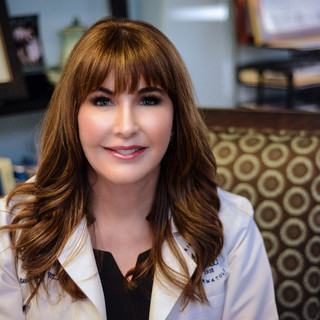

Although as a society, we’ve traditionally associated a rosy or glowing and golden complexion with good health and attractiveness, dermatologists say that darkening of the skin caused by increased skin pigment actually indicates skin damage and is not safe to encourage recreationally. Sunburns aren’t the only thing to worry about, though. Even just getting a normal base tan can create problems. The struggle to attain perfectly “sun-kissed” skin leaves you more vulnerable to skin cancer and premature aging, so think twice about tanning in your backyard or at a salon. Contrary to the common myth that indoor tanning is somehow safer than tanning outdoors because of the type of light used for tanning beds and lamps, these devices are actually just as harmful (or sometimes even more so) than being exposed to UV rays directly from the sun. Even a single session of indoor tanning significantly increases a person’s risk of skin cancer. Dallas dermatologist Dr. Ellen Turner explains five of the most dangerous aspects of artificially taking in the UV rays. Keep in mind that sun damage is cumulative, so what you do early in life can cause more serious problems later on.
1. It Makes You More Likely to Get Melanoma Skin Cancers
Tanning beds make all kinds of skin cancers more likely to occur—including melanoma, squamous cell carcinoma and basal cell carcinoma. Although melanoma is the most lethal type of skin cancer and can spread to other parts of the body, becoming challenging to treat in its advanced stages, squamous cell carcinoma can also be deadly if left untreated and allowed to spread. Exposure to tanning beds in your teens to mid 30s is believed to increase the risk of melanoma by as much as 75 percent.
2. It Can Cause Serious, Irreversible Eye Damage
The UV radiation produced by tanning beds can be up to 100 times more intense than what is given off by sunlight, harming the inner and outer parts of the eyes. This can result in cataracts and even ocular cancer.
3. It Makes You Age Faster
Many people continue to tan with sun lamps or tanning beds despite being aware of the risks because they like the way it makes their body look. However, wrinkles, age spots, leathery patches of skin, loss of elasticity, and all of the other trademarks of aging skin occur much more quickly on people who use indoor tanning. This practice can also make stretch marks look more pronounced.
4. Injuries Are Very Common
Indoor tanning can also pose a serious threat to your health in other ways. Your next trip to the tanning salon could send you to the emergency room. Each year, thousands of injuries including severe skin burns, fainting, and eye problems are documented. Allergic reactions may also occur.
5. It Can Cause Immune Suppression
Tanning not only does not help your body manufacture beneficial vitamin D—which is associated with UVB rays, not the UVA rays common to artificial tanning—but it also weakens your immune system.
Alternatives to Tanning Beds
To sum up: If you are craving some fresh air and sunshine for its health benefits—such as getting enough vitamin D, fending off depression, and boosting your immune system—you can regularly spend short periods of time outside for these purposes. The amount time you should spend exposed to sunlight varies depending on how fair or dark your complexion is. Generally, 10 to 15 minutes per day several times a week should be enough.
For the rest of the time, sun protection is vitally important to avoid burns, wrinkles, and other types of damage. Wrap up in protective clothing, put on shades and UV-protective sunglasses, and wear broad-spectrum, SPF 30 sunscreen if you plan to go out in the daylight, even if it’s an overcast or winter day. It’s better to accept your natural complexion or use store-bought topical creams or lotions to achieve the look you want if you’re self-conscious about having pale skin.
Learn more about screenings, diagnosis, and prevention of skin cancer from Dallas’ Dermatology Office of Dr. Ellen Turner. For more sun protection tips, call (214) 373-7546, or fill out a contact form to request a consultation.
Comments